Complete Care Guide

Master the essentials of indoor plant care for thriving, healthy plants

Watering Fundamentals

Proper watering is the foundation of successful plant care. Most indoor plants prefer soil that is consistently moist but never waterlogged. Check soil moisture by inserting your finger about an inch deep.

Water thoroughly when the top layer feels dry, allowing excess water to drain. Empty saucers after watering to prevent root rot. Frequency varies by plant type, season, and environmental conditions.

Signs of overwatering include yellowing leaves and soggy soil. Underwatered plants show drooping leaves and dry, cracked soil. Adjust your routine based on your plant's specific needs.
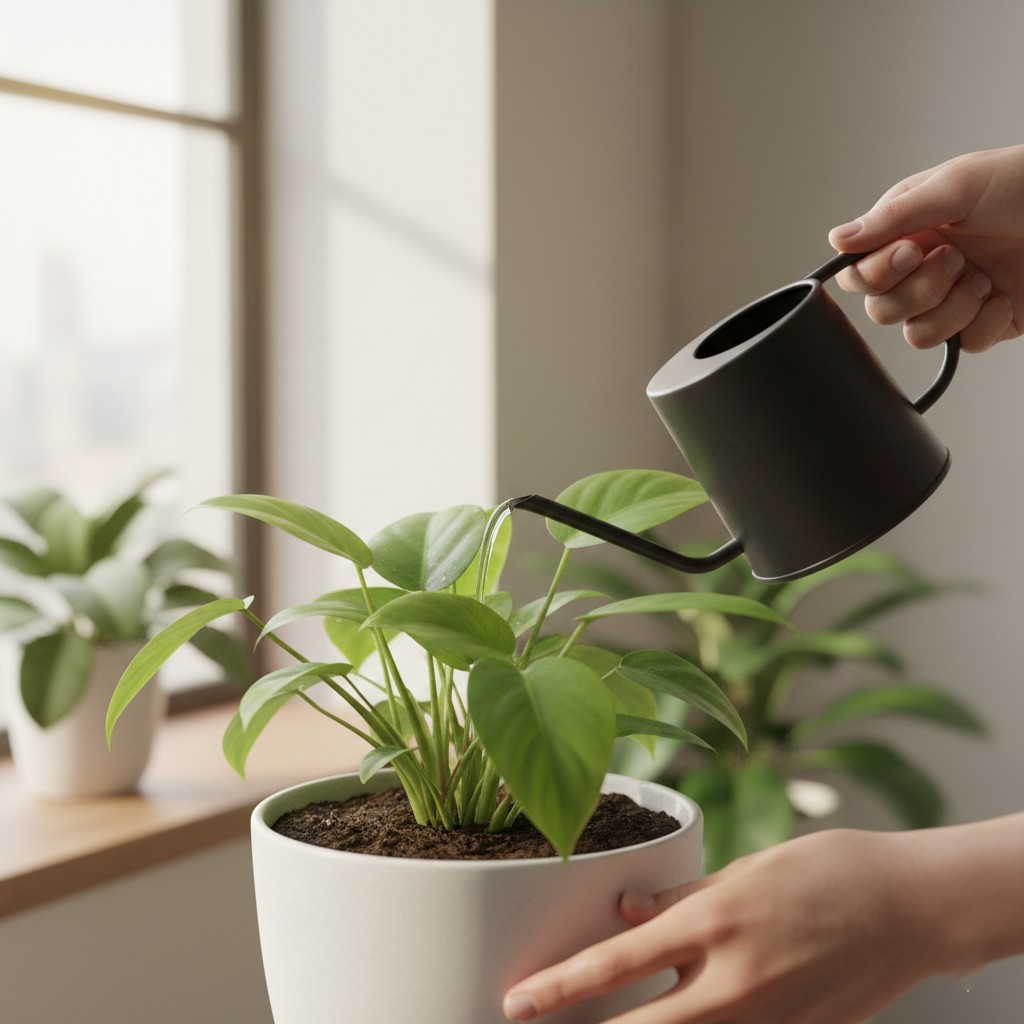
Indoor plant watering and care instructions

Light Requirements

Bright Indirect Light

Place plants near east or west-facing windows. Direct sunlight can scorch leaves, so use sheer curtains to filter intense rays.

Low Light Conditions

Some plants thrive in north-facing windows or rooms with minimal natural light. These varieties are perfect for offices and hallways.

Direct Sunlight

Only a few plant varieties tolerate direct sun. Position these near south-facing windows with proper protection during peak hours.

Soil and Fertilization

Quality potting mix provides essential nutrients and proper drainage. Most indoor plants benefit from well-draining soil that retains some moisture without becoming compacted.

Fertilize during active growth periods, typically spring and summer. Use balanced, water-soluble fertilizer diluted to half strength. Reduce or eliminate fertilization during fall and winter when growth slows.

Repotting becomes necessary when roots fill the container or soil becomes depleted. Choose a pot only slightly larger than the current one to prevent overwatering issues.

Common Care Challenges

Pest Management

Regular inspection helps catch issues early. Isolate affected plants and use appropriate methods for specific pests. Prevention through proper care is most effective.

Humidity Control

Tropical plants appreciate higher humidity. Group plants together, use pebble trays, or consider a humidifier for optimal conditions.

Temperature Considerations

Most indoor plants prefer temperatures between 65-75°F. Avoid placing plants near heating vents, air conditioners, or drafty windows.

Pruning and Maintenance

Regular pruning encourages healthy growth and maintains plant shape. Remove dead or yellowing leaves promptly to prevent disease spread.

Seasonal Care Schedule

Adapt your care routine to seasonal changes. Spring brings active growth requiring increased watering and fertilization. Summer demands careful attention to moisture levels and protection from intense heat.

Fall signals a slowdown in growth. Reduce watering frequency and stop fertilizing. Winter care focuses on maintaining adequate light and protecting plants from cold drafts while reducing water needs.

Get Personalized Advice

We use cookies to enhance your browsing experience and analyze site traffic. By clicking "Accept", you consent to our use of cookies.